

Learn Best Practices for Application of thin-film ceramic coatings.
Coating Tips
Articles on thin-film paint application.
Surface Prep Best Practices for Applying Thin-Film Coatings
Chemically etched surfaces, mechanically blasted, or sanded surfaces can add extra adhesion promotional characteristics to a substrate. Having a clean, oil, soil and oxide free surface for coating to adhere to a substrate is the most important factor in successful application.

Benefits and Applications of AEGIS AECH
Thin-film ceramic paint coatings are a liquid coating that bonds to a large number of common substrates. AEGIS AECH is different from many thin-film coatings in that it has UV-stability resists oxidization events.

AEGIS Featured in A2Z Manufacturing Magazine
Many epoxies and ceramics discolor, yellow, or lose gloss when exposed to UV rays over time. Powder coatings are often used as a workaround for outdoor exposure, but they come with their own limitations—especially when tight tolerances are involved.
Aegis coatings, in contrast, are designed to resist UV degradation.
Pro Staff Tech Tips
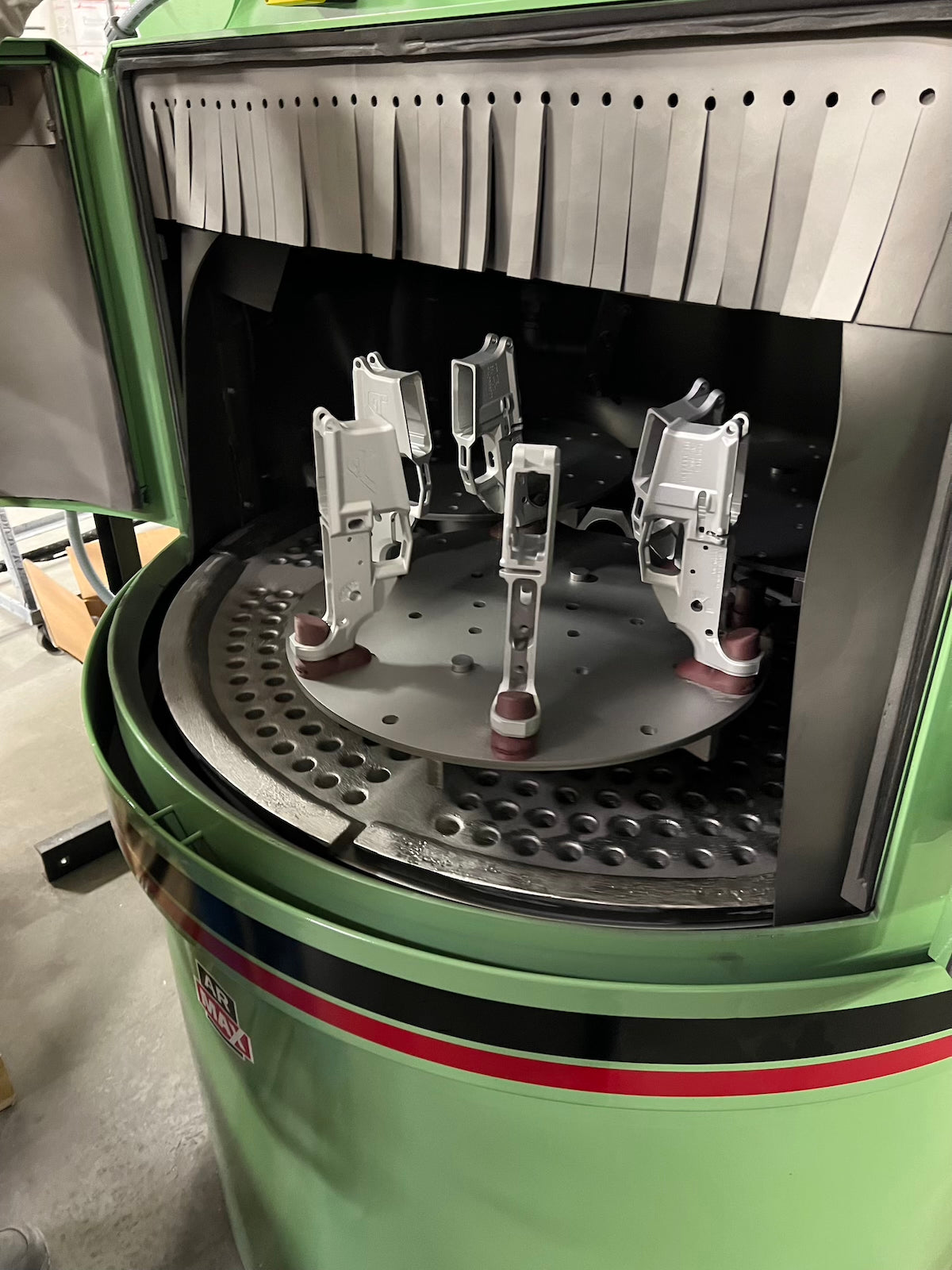
Abrasive Blasting Prep for Ceramics | Pro Staff Tech Report #4
Lower PSI for soft metals such as aluminum and various other soft materials, and higher PSI for hard metals like steel and stainless steel
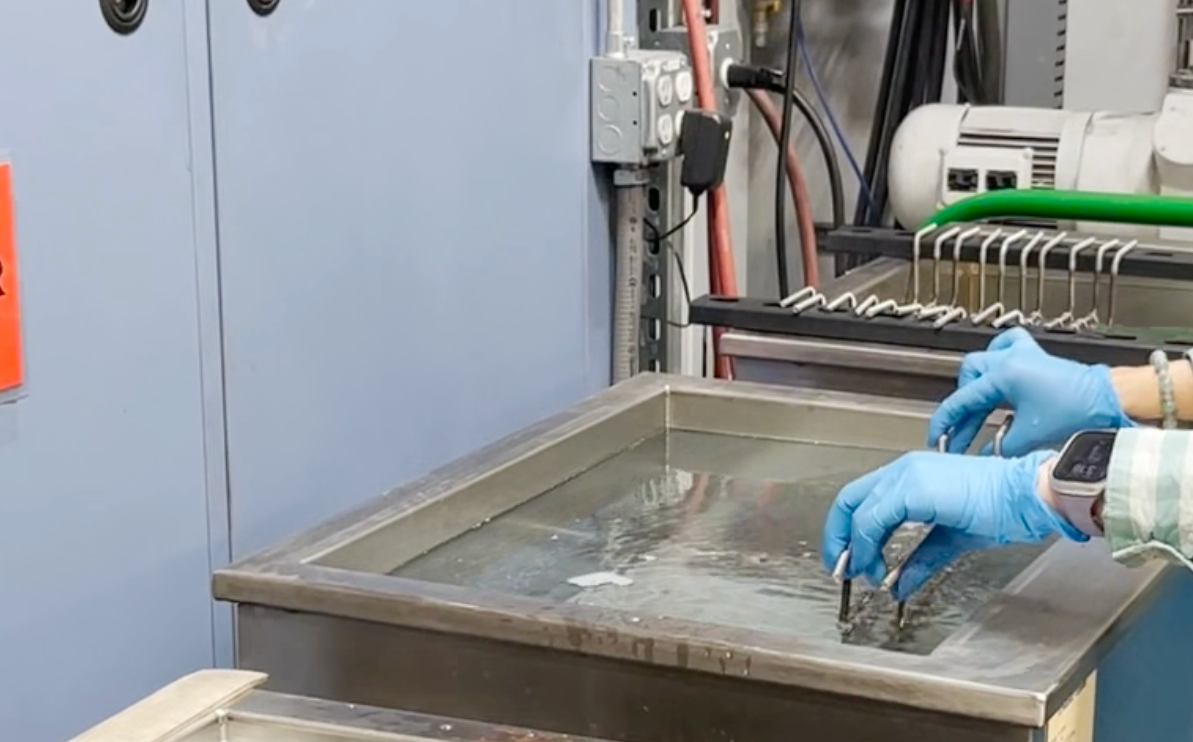
Cleaning & Degreasing Parts Before Coating | Pro Staff Tech Report #3
Soak or spray raw parts with a high-quality solvent (such as acetone or a dedicated heavy-duty degreaser.)
This removes heavy oils, packing grease and cutting fluids prior to mechanical blasting, preventing contamination from being driven deeper into your substrate.
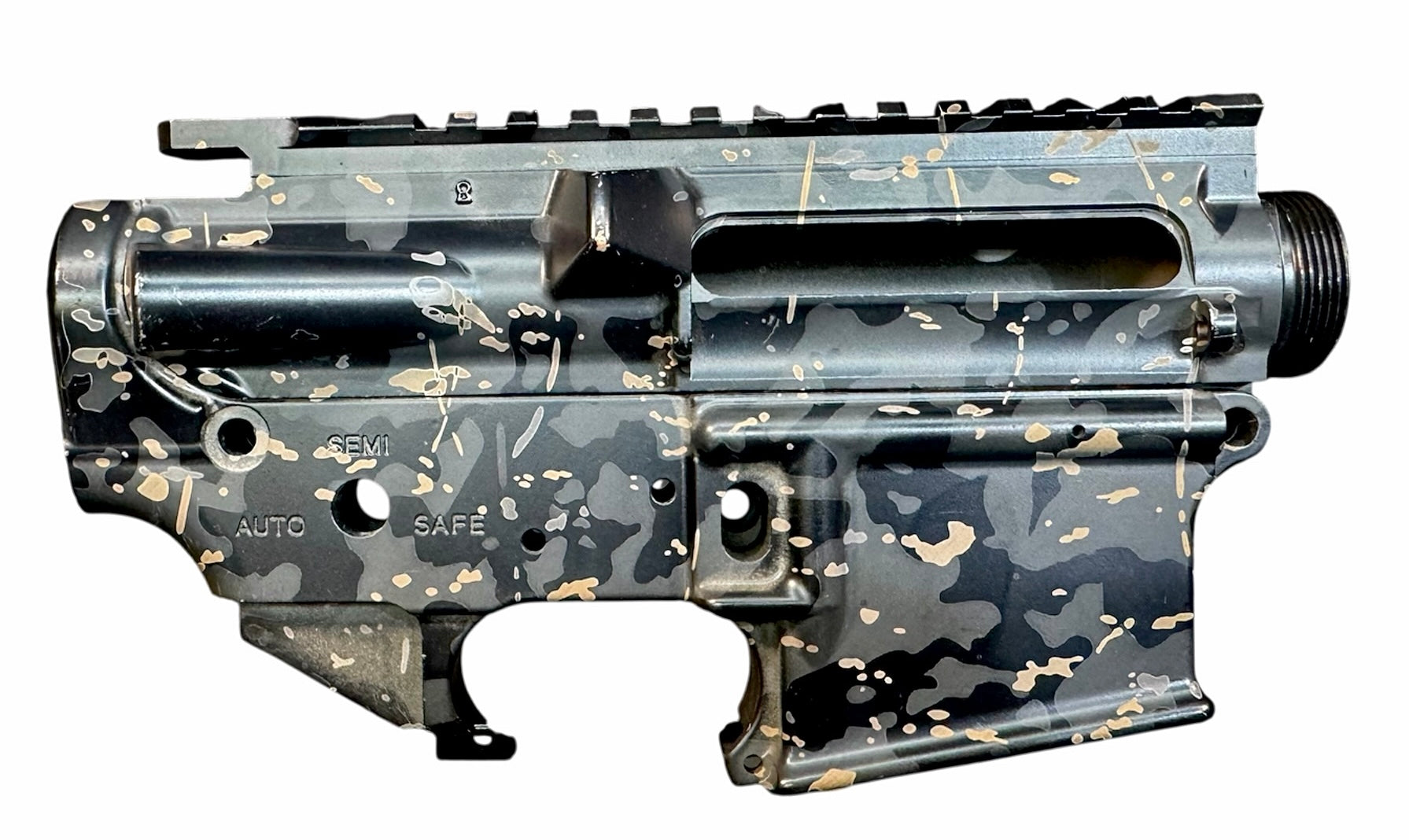
Laser Marking on Thin-Film Ceramics | Tech Tip #2
Multiple layered colors of thin film paint can reveal layered colors, using laser obliteration without needing stencils.
Definition: Laser ablation or photoablation is the process of removing material from a solid (or occasionally liquid) surface by irradiating it with a laser beam.
Certain colors can also be exposed to a laser for altering shades, and in some cases, additional colors can be found within the parent layer of coating.