
Tech Tip: How to Clean & Degrease Parts Before Ceramic Coating
The performance of an oven-cured ceramic coating (such as Aegis AECH)
or air-dry and high-temperature formulations rely almost entirely on the
quality of surface preparation.
Unlike traditional paints, ceramic coatings are incredibly thin-usually between 0.4-0.7 mil.
With this thin coverage, surface imperfections will not be hidden like in the case of traditional paints, and microscopic flaws, specs of dust and traces of oils and other
contaminates will show up as exaggerations on finished surfaces.
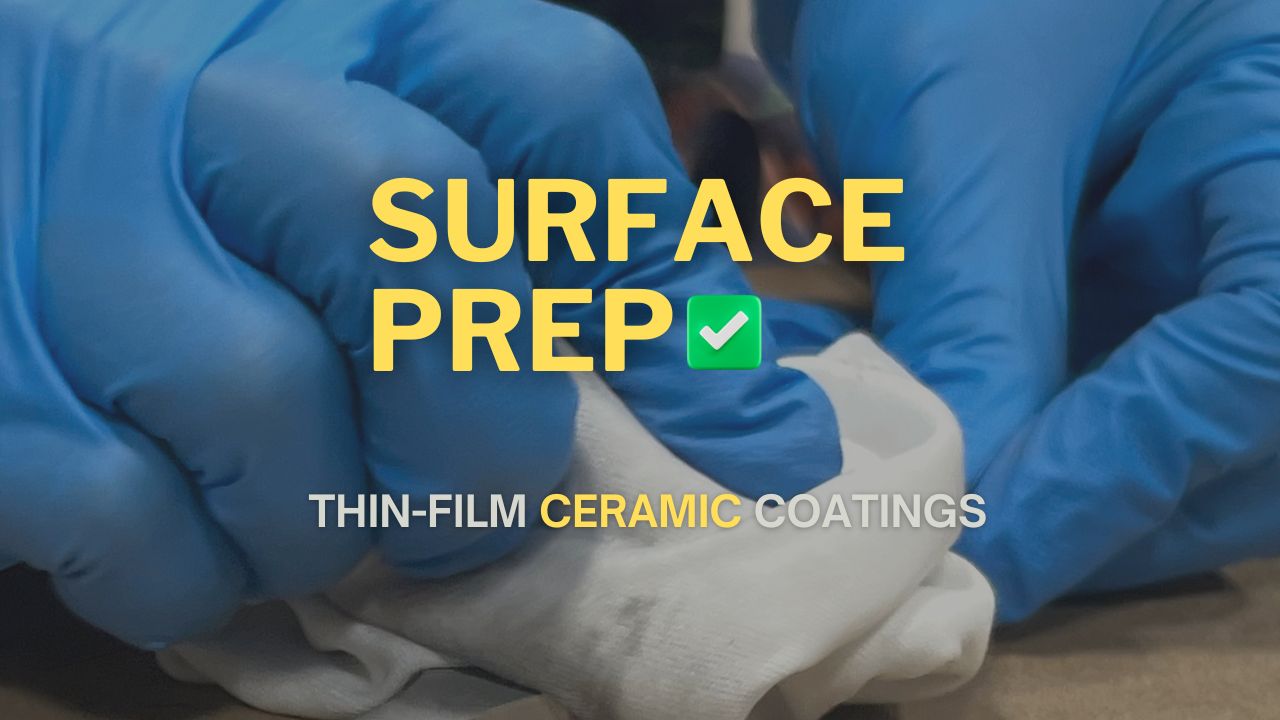
Soak or spray raw parts with a high-quality solvent (such as acetone or a dedicated heavy-duty degreaser.)
This removes heavy oils, packing grease and cutting fluids prior to mechanical blasting, preventing contamination from being driven deeper into your substrate.
A “Water Brake” test after cleaning is an excellent way to quantify if your cleaning is complete.
Simply apply fresh distilled water over your part:
- If the water sheets evenly across the surface of your part, the cleaning is
complete - If the water beds up in any area, contamination is still present and the
degreasing process needs to be repeated.
These steps ensure that your part will be cleaned of fluids, oils and grease, leading to optimal adhesion and a great looking finish.

Tech Tip Provided by Featured Applicator: Nevada Cerakote & Laser

Nevada Cerakote specializes in custom coating applications for manufacturers and individual orders, spanning the gap between volume and specialty products, based out of Gardnerville Nevada, in the Reno area near the California border.


Share:
Laser Marking on Thin-Film Ceramics | Tech Tip #2
Abrasive Blasting Prep for Ceramics | Pro Staff Tech Report #4